YOUR PELVIS DURING LABOR
One of the biggest misconceptions about labor is that birth is something that happens to you while you lie still.
In reality, birth is a dynamic process, and your pelvis is designed to move in order to help your baby navigate the journey into the world.
Understanding how your pelvis works during labor can change the way you prepare, move, and support your body throughout pregnancy and birth.
Let’s break it down simply.
The Three Spaces of the Pelvis
Every female pelvis has three important zones your baby must pass through during labor:
1. The Superior Opening (Inlet)
2. The Midpelvis (Midlet)
3. The Inferioe Opening (Outlet)
Each space has a different shape — which means your body benefits from different movements at different stages of labor.
Your pelvis is not a fixed structure. It is meant to adapt.
The Pelvic Inlet: Making Space for Engagement
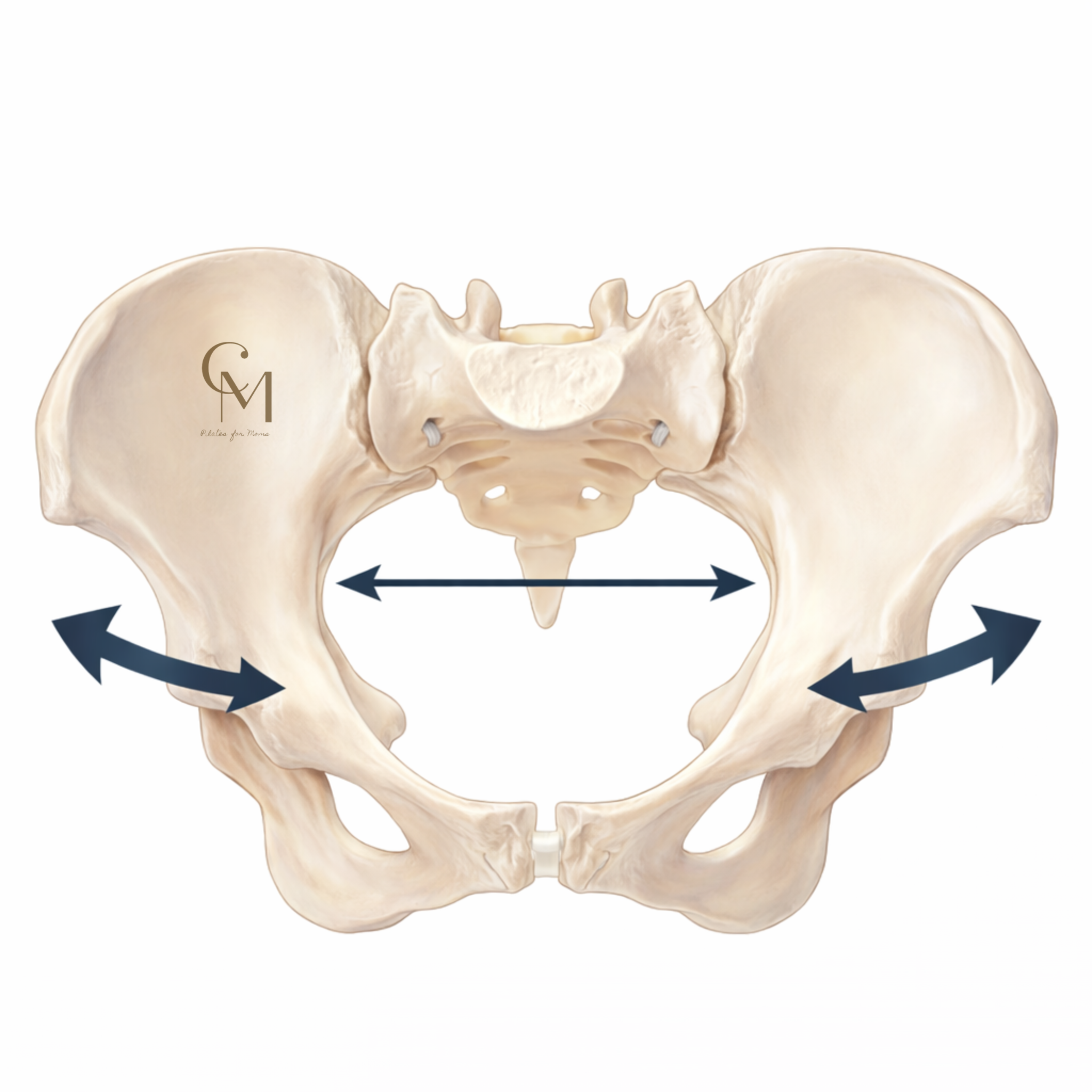
The Pelvic Inlet is the upper opening of the pelvis — the first doorway your baby enters.
This space is naturally wider from side to side than from front to back.
Because of this shape, movements that encourage hip external rotation help create more functional space here.
External rotation allows the pelvis to widen laterally, helping the baby descend and engage into the pelvis more efficiently.
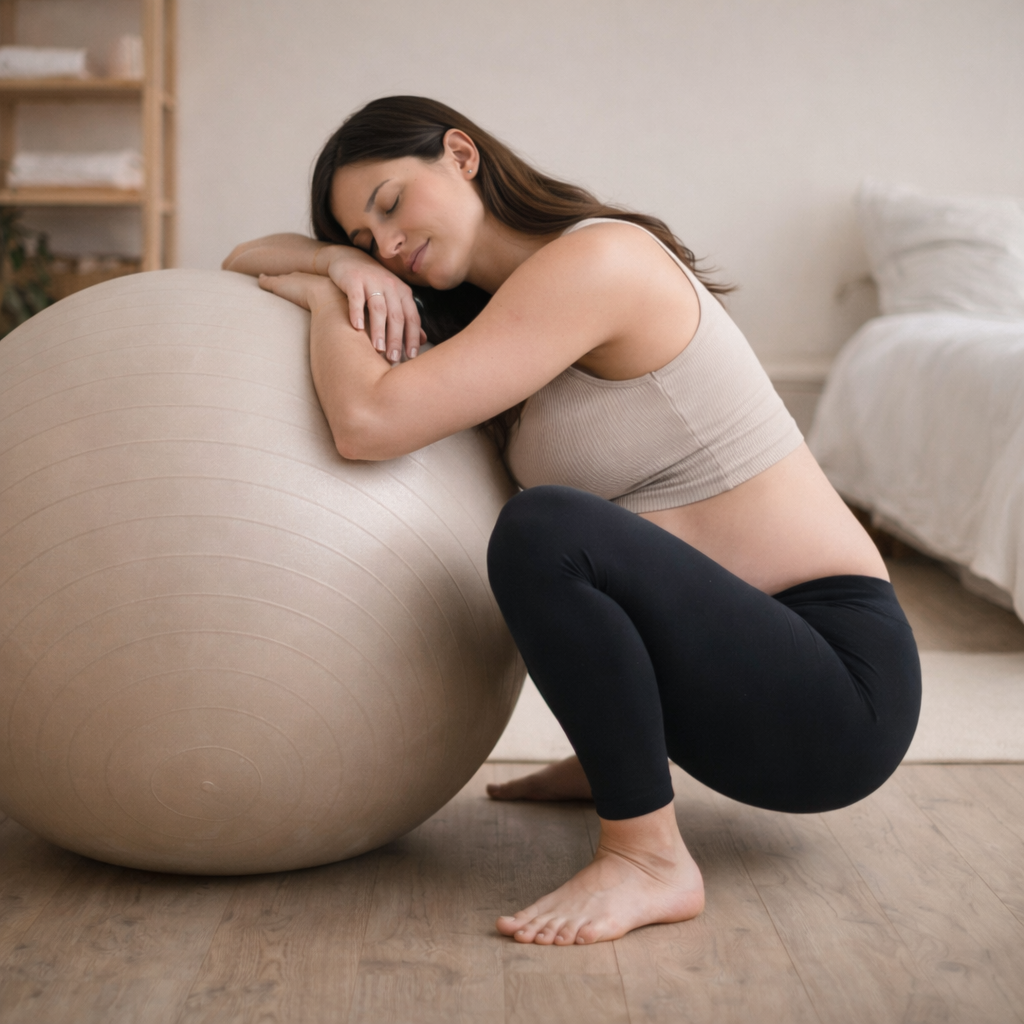
Examples include:
Knees gently opening outward
Squatting positions
Wide-knee resting positions
Supported deep hip opening movements
The Midpelvis: The Narrowest Passage
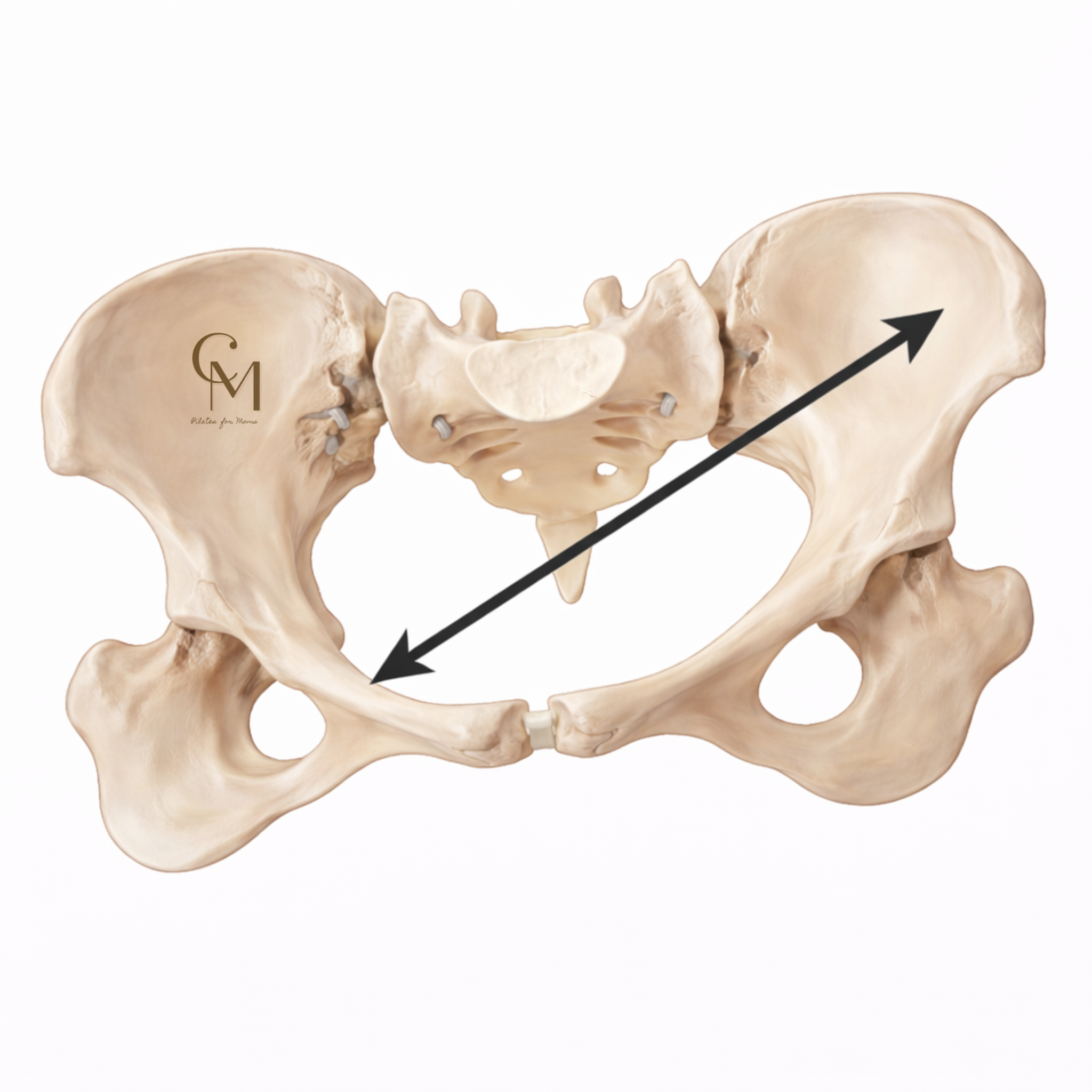
The Midpelvis is often the most challenging part of the journey.
This is the narrowest space of the pelvis and the area where your baby typically rotates to find the optimal position for birth.
Unlike the Inlet, this space benefits from asymmetrical movement.
Why?
Because shifting weight from side to side changes the dimensions of the pelvis moment by moment, giving the baby room to rotate and move downward.
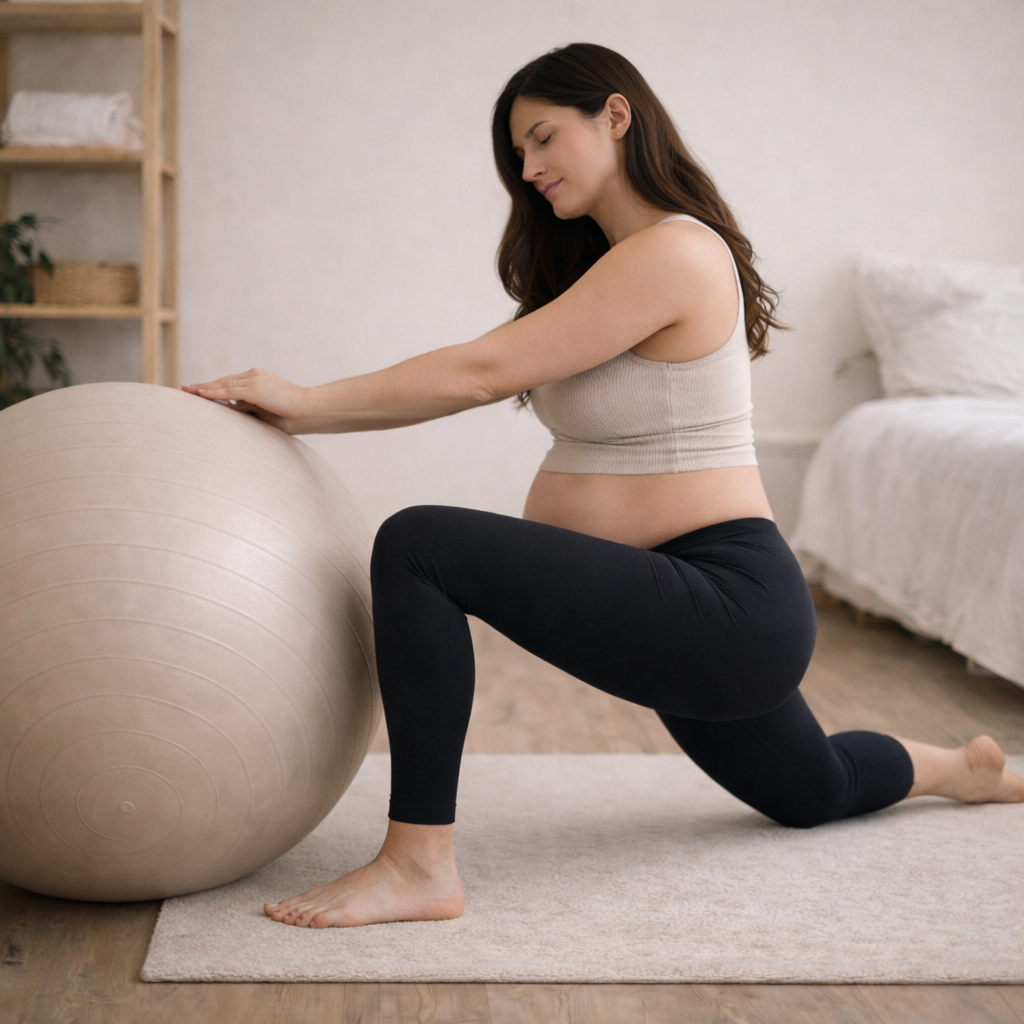
Helpful movements include:
Lunging positions
Rocking side to side
Walking or swaying
Uneven or staggered stances
The Pelvic Outlet: The Final Passage
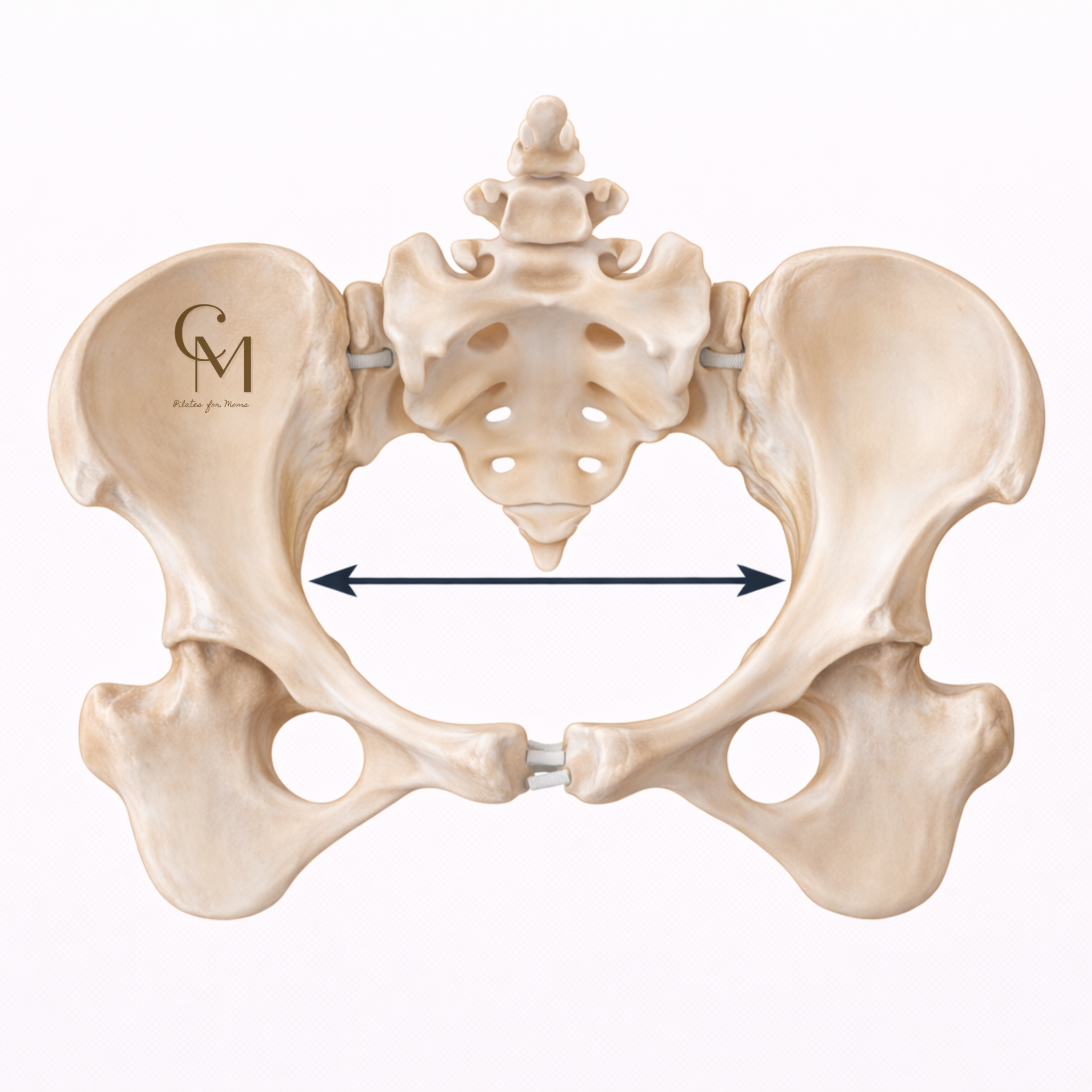
The Pelvic Outlet is the last space your baby passes through — often associated with what many call the “ring of fire.”
Here, the mechanics change again.
To create more space at the outlet:
The hips move into more internal rotation
The tailbone (coccyx) moves backward
The sitting bones widen apart
This backward movement of the coccyx allows the baby to fully engage and emerge.
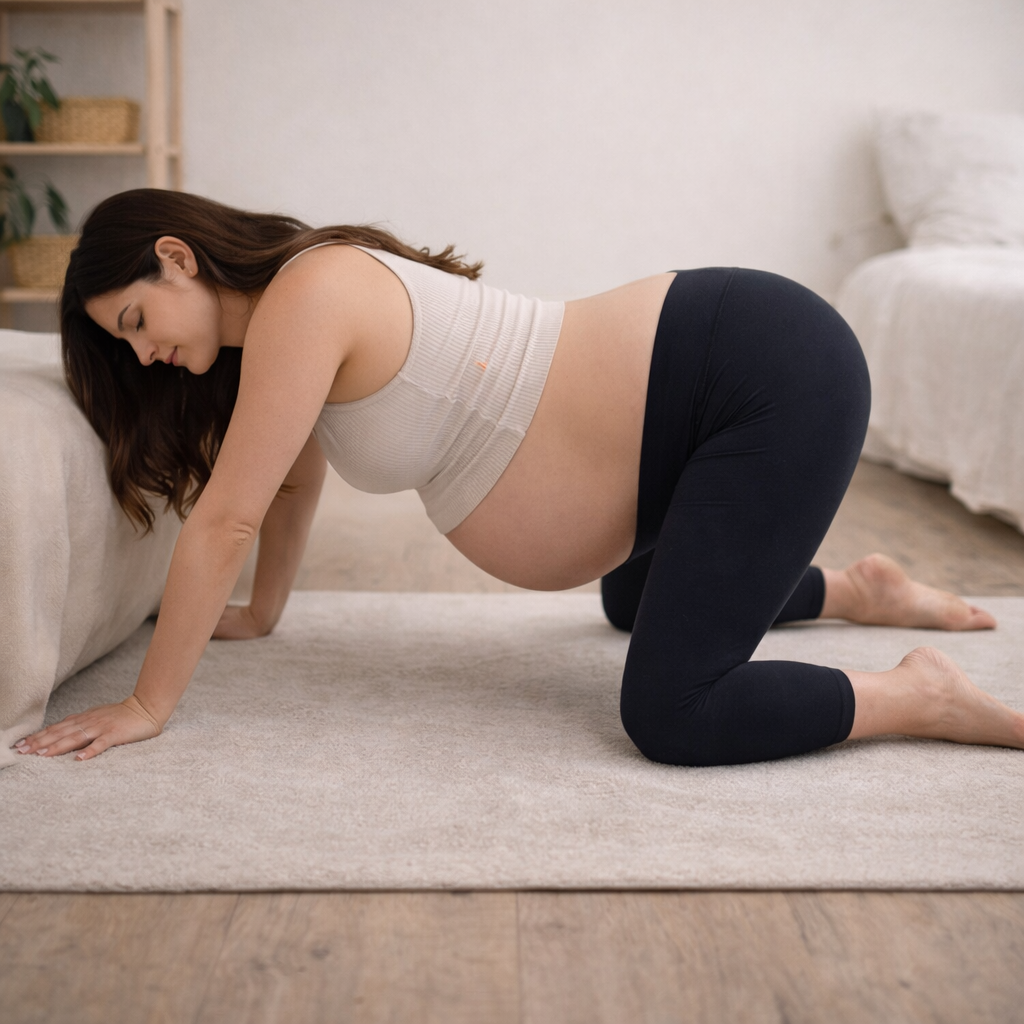
Positions that support this include:
Forward-leaning positions
Supported squats
Hands-and-knees variations
Positions that allow the sacrum and tailbone freedom to move (rather than being compressed against a flat surface)
Why Practice These Movements Before Labor?
Movement during labor is not random — it is instinctual and biomechanical.
Practicing these positions during the third trimester, during workouts, or even during contractions helps your body:
Build familiarity and confidence
Reduce fear around movement
Improve pelvic awareness
Support more efficient labor mechanics
Help you recognize that these movements are safe and available to you
When your body has practiced something before, it is much easier to access it under the intensity of labor.
Trust the Design of Your Body
Your pelvis was designed to move.
Labor is not about forcing the body — it is about working with its natural mechanics.
By understanding the inlet, midpelvis, and outlet, you can move intentionally, support your baby’s descent, and feel more connected to the birth process.
Preparation isn’t just strength.
It’s awareness, mobility, and trust in how your body was made to work.